

My Aunt is so wise.
Does your network have age variety?

As you may know, my mother recently died after a long experience with dementia. I’m doing my best to forge on with work and daily living, but I still get sudden pangs of grief. So I knew that seeing my mom’s older sister would give me a space to say what I was feeling and also sit with a familiar face. Not the same face as my mom’s, but close.
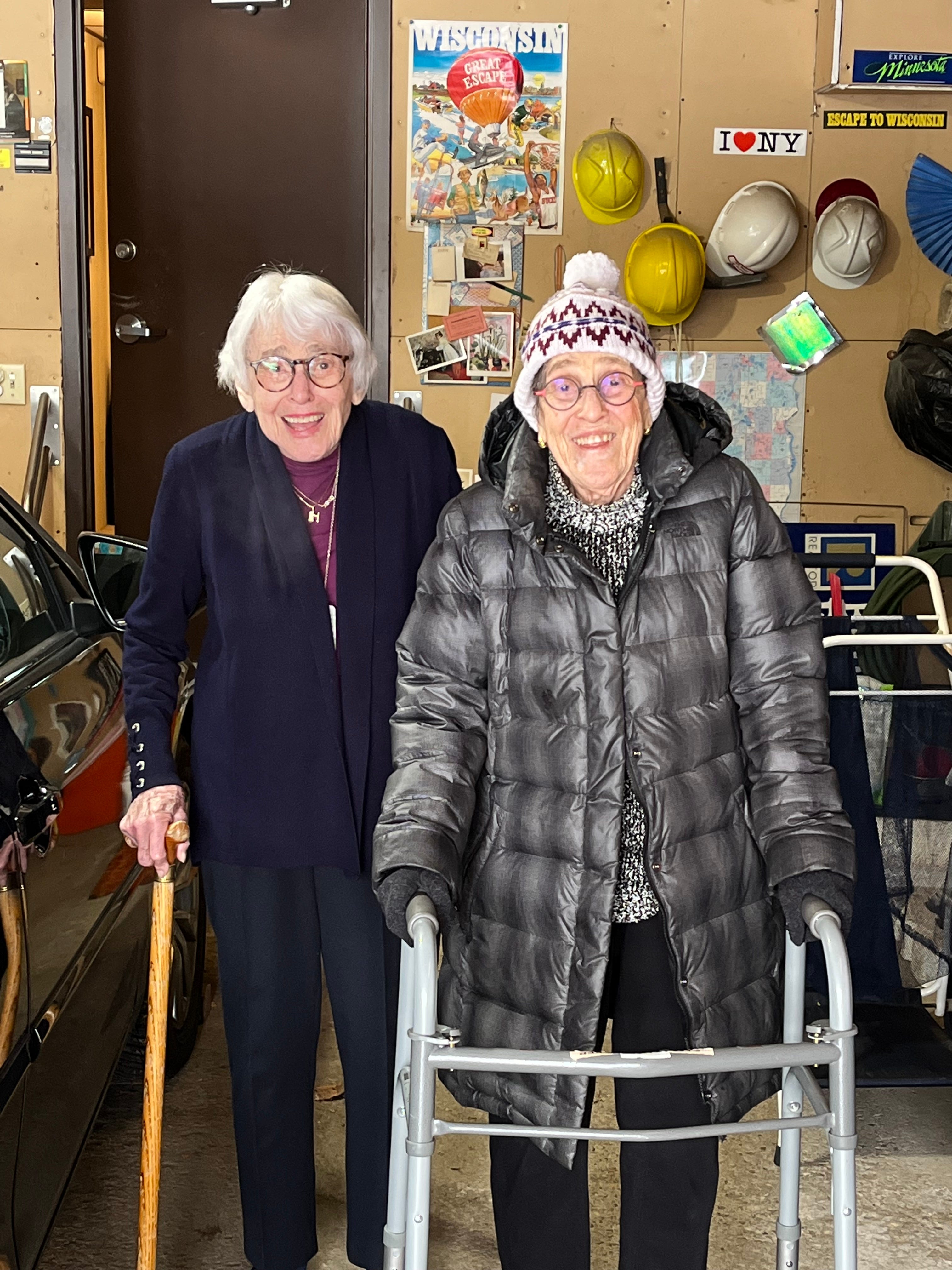
My aunt has already lost her older sister and her younger brother; one brother remains. She knows grief. She also has the nickname Aunt Chutzpah, because she has always told it exactly as it is.
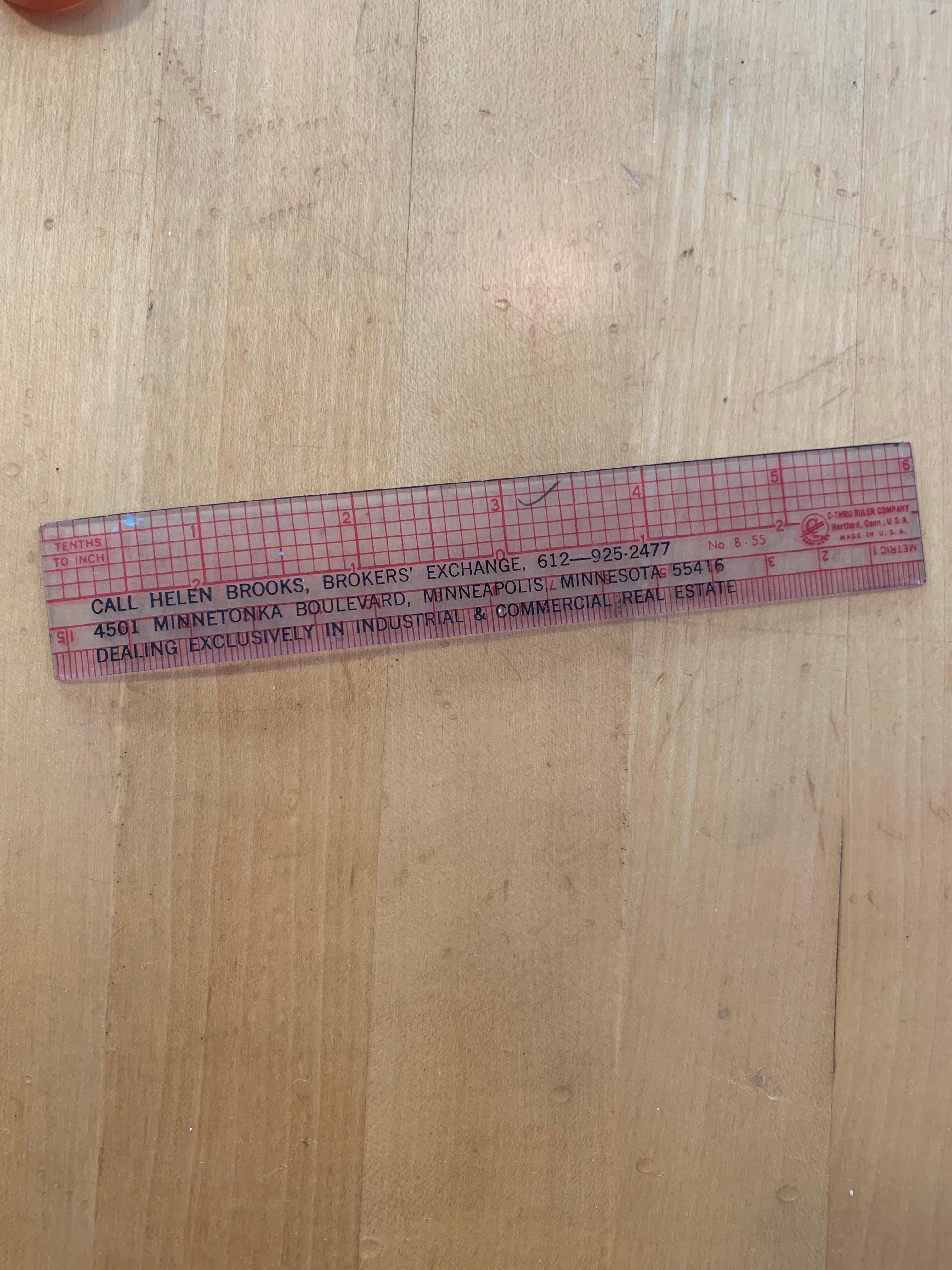
If you’re not familiar with her professional life, this article captures what a trailblazer she was — and still is — in commercial real estate.
When I walked in, I knew I wanted to talk about my mom. A few sentences in, I said something like “I miss her” or “I’m sad.” She looked at me, matter-of-fact as ever, and said: “You will always be sad.”
That sentence comforted me. It told me this pang of missing my mom is a natural reaction — and that she, too, was missing her sister.
Sadness is a confusing emotion for me. I get sad and mad when I lose at a sporting event, or when something unjust happens. But this sadness is different. It feels primal. I notice other mothers and children in a way I wonder if I always did. Listening to my aunt, I realized there’s no need to fight the sadness. It’s simply a step in the grief journey.
Sure, I’m making lists, notes, and gratitude bullets for everything my mother gave me, taught me, and shared with me. But this sadness is intertwined with a kind of calm I’m not afraid of — I’m curious about it.
I titled this piece “My Aunt Is So Wise” because as an elder, she has watched a lot of people die. My mom was one of the first I’ve lost up close. My aunt understands something I’m still learning: the sadness doesn’t go away. It becomes part of my memory bank, part of my experience.
There’s a name for what she was describing. Researchers who study grief call it “continuing bonds” — the idea that the relationship with someone we’ve lost doesn’t end, it changes shape. It shows up when we feel their presence in a decision, hear their voice in our own advice, or notice we’ve become the person they taught us to be. Most people who lose someone they cared for eventually find their footing again, not by letting go of the sadness, but by carrying the relationship forward in a new form. That’s exactly what my aunt was handing me, decades ahead of any study.
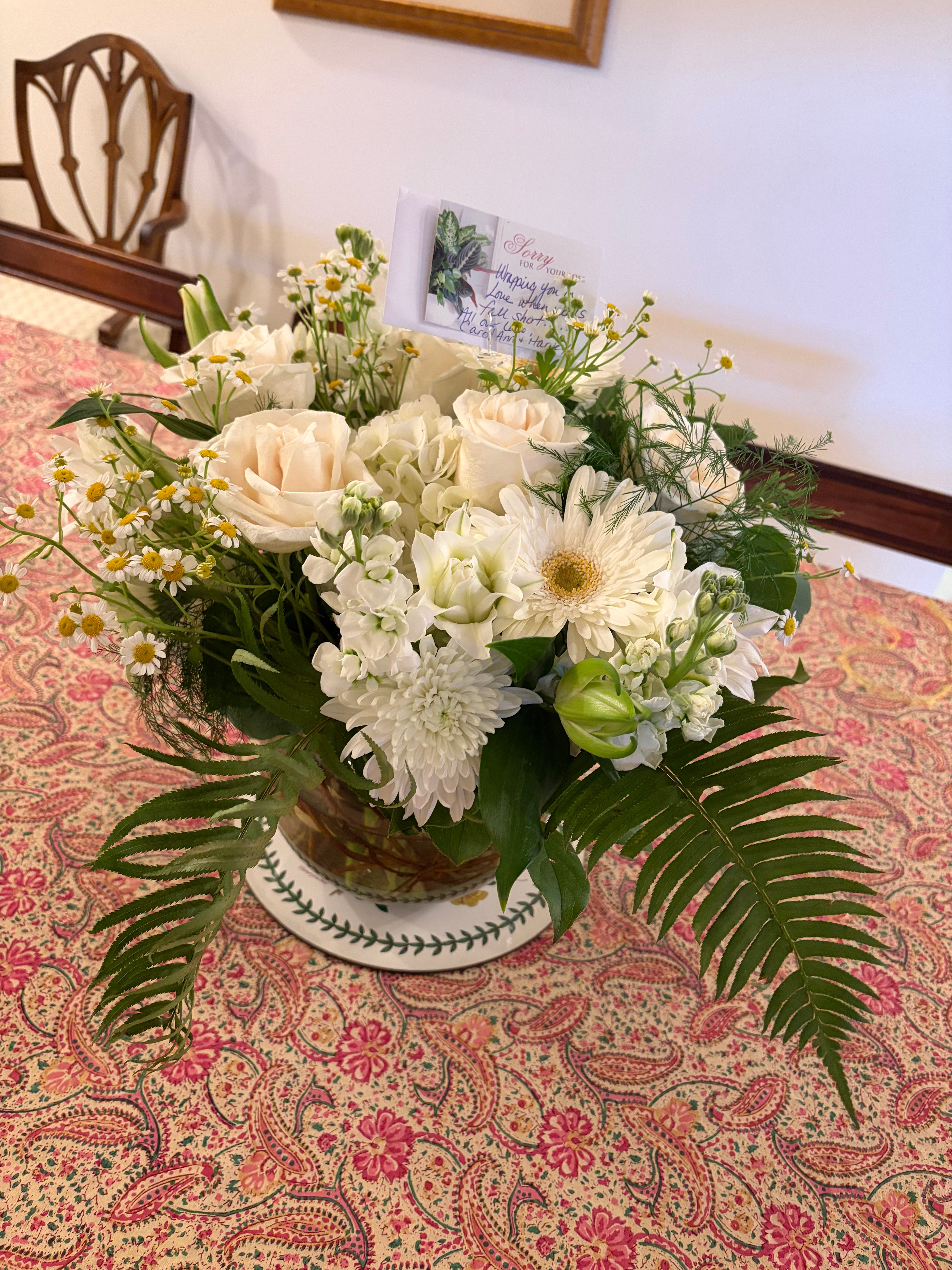
All the cards I’ve received have italicized wording and a sentence or two that sometimes feel like they were written for someone less snarky than I am. But I appreciate the heartfelt words, the handwritten notes, and the gesture of sending a card during this fragile time. When I read them slowly — usually sitting down with a glass of water, not rushing the feelings — the words hit differently.
Older people don’t rush their grief. They accept it. They know it’s part of the process, and I think they’re better at staying in the here and now than I am. So I heard her. I can say I’m sad. And I’m also proud to have people of all ages in my network who show me the range of ways we experience emotion, death, and the relationships that make life rich and meaningful.
Next week, I’m back to talking about networking, caregiving, and finding the people you need to reach your goals. But for today, I’m sad — and instead of taking several chocolates from my aunt for the road, I told her I’d see her next week to enjoy her candy in person.
Rock on,
Cathy Paper